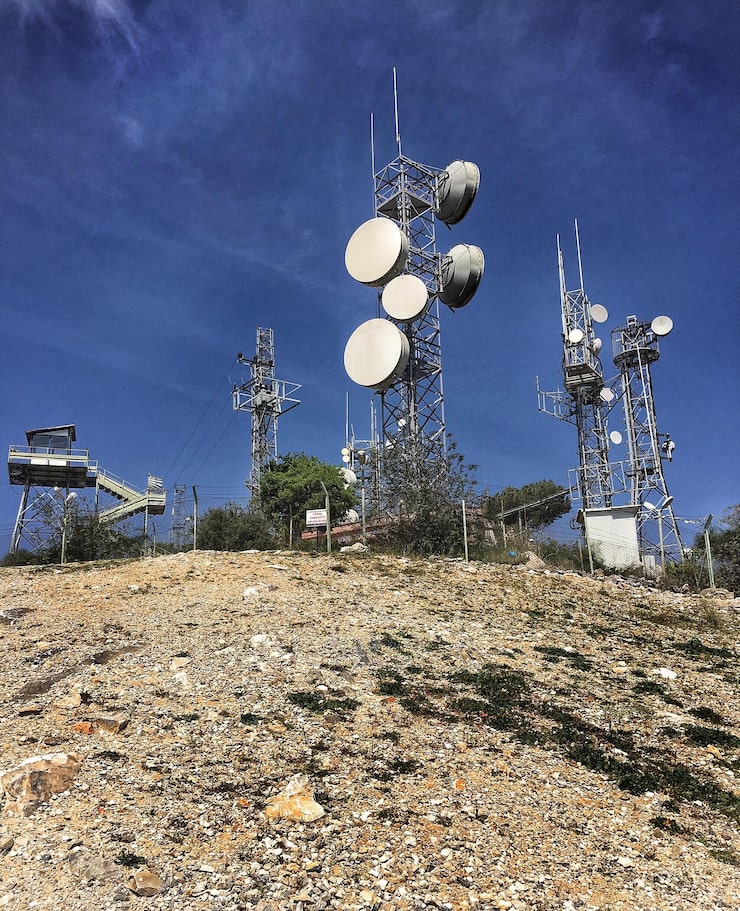
In the connectivity marketplace, wireless (RF) technologies like Wi-Fi, LoRaWAN, and 5G dominate the conversation. However, for specific niche applications, they suffer from critical limitations regarding penetration and security. Comparing these standard methods with ground coupled communication reveals why the latter is becoming the preferred choice for underground and high-security sectors.
The Physics of Signal Propagation
RF signals travel well through air but are rapidly attenuated by water, soil, and rock. A Wi-Fi signal might not penetrate more than a few inches of wet earth. In contrast, ground-coupled systems generate low-frequency waves that use the soil as a conductive medium. This physical difference allows ground signals to travel kilometers through solid rock, reaching places where RF simply cannot go.
Security and Interception
RF signals radiate outward in all directions, making them easy to intercept with a simple antenna. This “spillover” is a major security risk for military and corporate entities. A ground based communication network confines the signal to the earth. To tap into the line, an adversary must physically plant a sensor in the ground near the source, making undetected eavesdropping nearly impossible.
Reliability in Extreme Weather
Hurricanes, blizzards, and thunderstorms can play havoc with antenna-based communications. High winds can snap towers, and heavy rain can degrade signal quality (rain fade). Buried ground systems are immune to surface weather. They continue to operate at 100% efficiency regardless of the storm raging above, providing a lifeline when it is needed most.
Infrastructure and Maintenance
Setting up a wireless network requires towers, line-of-sight planning, and spectrum licensing. Ground systems require less vertical infrastructure. While the sensors must be buried, this protects them from vandalism and theft. Once installed, the maintenance requirements are often lower because the equipment is shielded from UV radiation and temperature fluctuations.
Bandwidth vs. Range
It is important to note the trade-offs. RF systems generally offer much higher bandwidth, suitable for video streaming. Ground-coupled systems are typically lower bandwidth, designed for telemetry, voice, and command data. However, in applications like mine safety or border security, the reliability of the connection is far more valuable than the speed of the data transfer.
Coexistence of Technologies
The future is likely hybrid. A surface facility might use 5G for its office operations while relying on ground-coupled tech for its basement servers and perimeter security. Understanding the strengths of each medium allows engineers to design comprehensive networks that eliminate dead zones and maximize both speed and security.
Conclusion
While RF technology connects our phones and laptops, ground-conducting systems connect our critical infrastructure. The choice between the two depends on the environment and the mission. When the medium is rock, soil, or concrete, ground coupling is the undisputed champion.
Recognizing the unique capabilities of through-earth signaling is essential for specialized industries. It solves problems that have plagued engineers for decades. By choosing the right tool for the job, we build networks that are not just fast, but unbreakable.