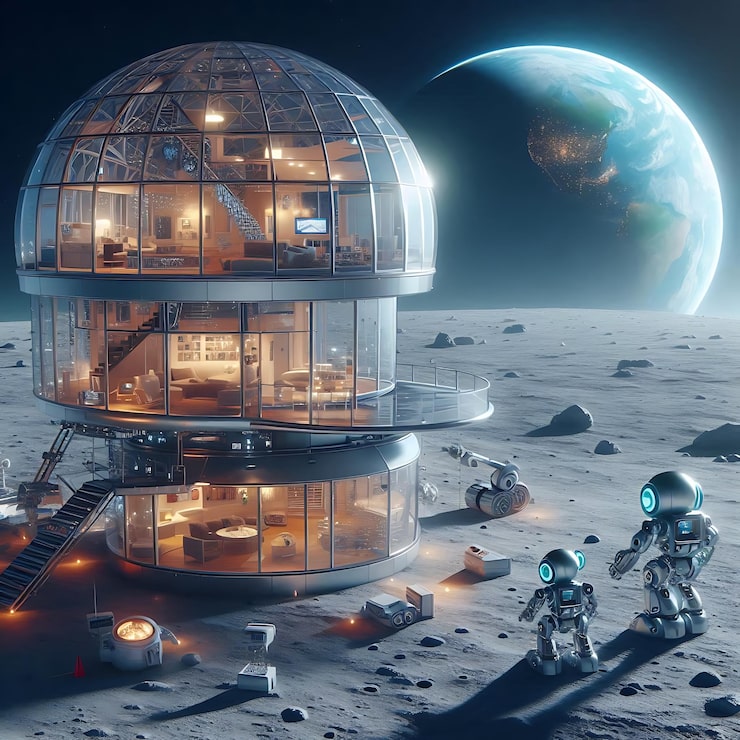
Human ambition has always pushed boundaries. space colonization represents one of the most profound extensions of that drive, aiming to establish sustainable human presence beyond Earth.
The Motivation Behind Space Colonization
Population growth, resource limitations, and planetary risks motivate interest in off-world settlement. Establishing colonies could safeguard humanity against global catastrophes.
Beyond survival, exploration inspires technological advancement and a broader understanding of life’s potential beyond Earth.
Key Requirements for Sustainable Colonies
Successful space colonization depends on reliable life-support systems, energy production, and local resource utilization. Habitats must protect inhabitants from radiation and extreme environments.
Psychological and social factors also matter. Long-term isolation requires careful planning for mental health and community structure.

Potential Locations
The Moon and Mars receive the most attention due to proximity and resource potential. Each presents unique challenges, from reduced gravity to harsh climates.
Orbital habitats also offer alternatives, providing controlled environments without planetary surfaces.
Ethical and Practical Challenges
Colonization raises questions about governance, environmental impact, and equitable access. Legal frameworks must evolve to address ownership and responsibility beyond Earth.
Technological hurdles remain significant, requiring sustained investment and collaboration.
Looking Forward
While timelines remain uncertain, progress continues steadily. Near the conclusion of long-term space planning, space colonization stands as a vision shaping humanity’s future beyond its home planet.