
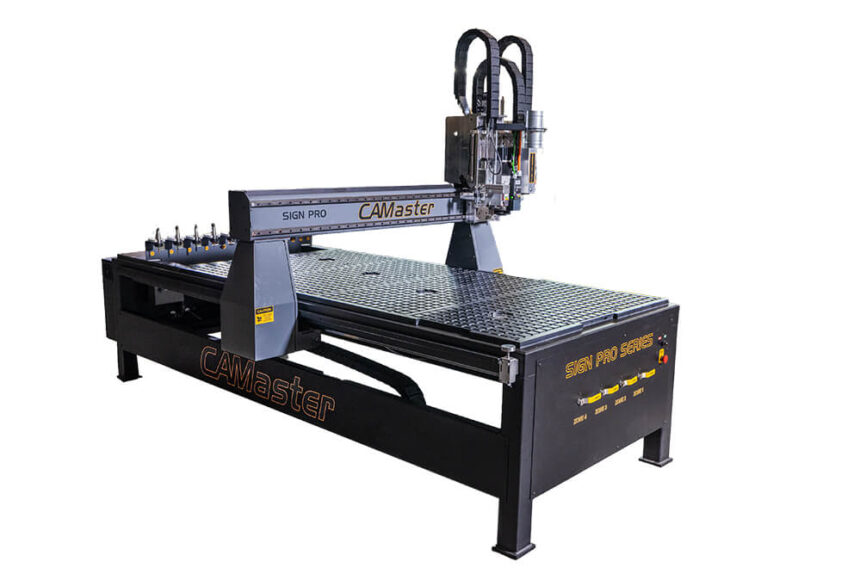
In the woodworking industry, accuracy, speed, and consistency are critical. A CNC wood cutting machine offers all of these benefits, transforming the way artisans and manufacturers approach cutting, shaping, and carving tasks. By automating complex designs and repetitive tasks, CNC machines reduce human error, save time, and improve overall productivity. From furniture makers to large-scale wood product manufacturers, understanding the advantages of CNC technology is essential for anyone looking to stay competitive in modern woodworking.
What is a CNC Wood Cutting Machine?
A CNC wood cutting machine is a computer-controlled router designed to cut, carve, and shape wood with high precision. Unlike traditional hand tools or manual routers, CNC machines operate using pre-programmed designs from computer-aided design (CAD) files. This allows them to produce intricate patterns, uniform cuts, and complex shapes with consistent quality.
Key Features of CNC Wood Cutting Machines
- Controller System: The machine’s brain interprets CAD/CAM files and directs the cutting process with precision.
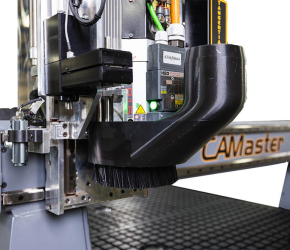
- Spindle: The component that holds cutting tools and rotates at high speeds to cut or carve the wood.
- Worktable: Provides a stable surface for the material, ensuring accuracy during cutting operations.
- Drive Mechanism: Uses motors and rails to move the spindle along multiple axes for detailed and precise work.
These components work together to deliver accurate results consistently, making CNC wood cutting machines a reliable choice for woodworking businesses.
Benefits of CNC Wood Cutting Machines
Enhanced Precision and Accuracy
CNC wood cutting machines are capable of reproducing designs with extremely tight tolerances. This precision ensures that every piece meets exact specifications, minimizing errors and reducing material waste.
Increased Productivity
By automating cutting processes, CNC machines allow operators to focus on other tasks while the machine performs repetitive work. This leads to faster project completion and higher output compared to manual woodworking methods.
Versatility in Woodworking
These machines can handle various types of wood, including hardwoods, softwoods, and engineered boards. They are ideal for creating furniture, cabinetry, signage, and decorative wood components, making them a versatile addition to any workshop.
Consistency and Repeatability
CNC machines excel in producing identical parts in large batches. This consistency is crucial for manufacturers who require uniformity in design and finish, such as in furniture production or custom wood products.
Safety and Reduced Labor Costs
Automation reduces direct exposure to cutting tools, enhancing operator safety. It also minimizes the need for large teams to handle repetitive tasks, lowering labor costs and operational risks.
How to Choose the Right CNC Cutting Machine
Selecting the right CNC cutting machine requires careful consideration of your workshop’s needs. Factors to evaluate include spindle power, supported materials, table size, and software compatibility. A well-chosen CNC machine can optimize workflow, improve efficiency, and deliver a strong return on investment. For workshops seeking reliability and performance, the CNC cutting machine offers advanced features, durable construction, and consistent results suitable for both small and large-scale woodworking operations.
Key Considerations Before Purchase
- Material Compatibility: Ensure the machine can handle all types of wood you intend to use.
- Software Integration: Verify that the CNC machine supports popular CAD/CAM programs.
- Support and Maintenance: Choose a supplier offering training, technical assistance, and maintenance services.
- Budget and ROI: Balance initial costs with long-term productivity gains and efficiency improvements.
Applications of CNC Wood Cutting Machines
- Furniture Manufacturing: Create intricate carvings, precise joints, and uniform components efficiently.
- Cabinetry and Interior Design: Produce custom cabinets, doors, and decorative elements with precision.
- Signage and Artistic Woodwork: CNC machines allow for detailed lettering, logos, and artistic designs.
- Prototyping and Product Development: Rapidly produce prototypes and test designs without wasting material.
Future Trends in CNC Woodworking
As technology advances, CNC machines are becoming smarter and more connected. Integration with AI and IoT enables real-time monitoring, predictive maintenance, and improved automation. Multi-axis machines allow for more complex designs, while high-speed routers increase production capacity without compromising quality.
Conclusion
Investing in a CNC wood cutting machine transforms woodworking operations by combining precision, efficiency, and versatility. These machines enhance productivity, ensure consistent results, and reduce material waste and labor costs. For both small workshops and large manufacturing facilities, CNC technology is a crucial tool for modern woodworking. Choosing the right CNC cutting machine ensures that your business remains competitive and capable of producing high-quality, precise wood products efficiently.